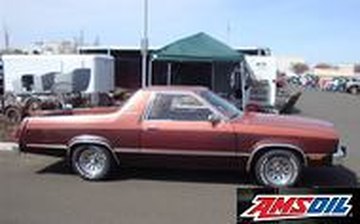
Lubrication Maintenance for the 1981 Mercury ZEPHYR 2.3L
Maintaining the engine lubrication system in a vehicle like the 1981 Mercury ZEPHYR requires consistent attention to fluid condition and component integrity. For an engine with a 2.3L displacement, ensuring that the internal components receive appropriate lubrication is a fundamental aspect of long-term mechanical health. While modern vehicles often feature automated monitoring systems, older engines rely heavily on manual inspections and adherence to established service patterns to prevent unnecessary wear.
Monitoring Fluid Condition and Potential Leaks
One of the most effective ways to monitor the health of the 2.3L engine is through regular visual inspections of the lubrication system. Owners should look for any signs of fluid seepage or active leaks around the engine block and associated sealing surfaces. Even small amounts of oil appearing on the exterior of the engine can indicate that a gasket or seal may be reaching the end of its service life.
When performing these inspections, it is helpful to check several areas:
- Sealing Surfaces: Inspect the areas where major engine components meet for any evidence of dampness or oily residue.
- Drain Areas: Check the area around the oil drain plug and the underside of the engine for fresh drips.
- Fluid Appearance: If the oil is checked via a dipstick, observe its color and consistency. While oil naturally darkens over time due to use, extremely thick or gritty textures can warrant further investigation into the engine's internal cleanliness.
It is important to note that many different factors can cause fluid to appear on an engine. A small amount of seepage might be a minor issue, whereas a steady drip requires immediate attention. If you notice a significant change in how much oil the engine seems to use between service intervals, this should be investigated promptly.
Managing Maintenance Records and Service History
For a vehicle from 1981, establishing a clear maintenance baseline is highly beneficial. If the previous service history of the Mercury ZEPHYR is unknown, the first priority should be to document all current fluid levels, filter conditions, and any recent repairs. This creates a "starting point" that allows you to track how the vehicle responds to new lubricants or different service intervals.
Keeping a detailed log of when oil was changed, what type of product was used, and any observations made during inspections can help distinguish between normal aging and developing mechanical issues. For example, if you notice a slight increase in fluid consumption, having records of previous levels can help determine if this is a sudden change or a gradual progression. Consistent record-keeping also assists in prioritizing future maintenance tasks, ensuring that you are addressing actual needs rather than making assumptions based solely on the age of the vehicle.
Observing Potential Warning Signs
While many lubrication issues develop slowly, some symptoms may appear more abruptly. Recognizing these signs early can prevent more significant mechanical complications. If any of the following occur, a thorough inspection is recommended:
- Changes in Engine Sound: Unusual mechanical noises that were not previously present can sometimes be associated with changes in how the engine is being lubricated.
- Visible Exhaust Observations: While exhaust smoke can be caused by many different factors, certain types of smoke may indicate that oil is entering the combustion process.
- Warning Indicators: If the vehicle is equipped with an oil pressure indicator or warning light, any illumination of this signal requires immediate investigation to ensure the engine is receiving adequate lubrication.
Because symptoms like noise or smoke can have multiple underlying causes—ranging from ignition issues to cooling system problems—it is best to treat these signs as indicators that a professional diagnosis may be necessary rather than assuming a specific component has failed.
Prioritizing Long-Term Engine Care
As vehicles age, maintenance priorities often shift from simple part replacement to more comprehensive condition monitoring. Rather than following a rigid schedule based only on the calendar, an effective approach for the 1981 Mercury ZEPHYR involves assessing the actual state of the engine components.
Focusing on active concerns is often more efficient than replacing parts that are still functioning correctly. For instance, addressing a minor, slow-moving leak is generally more productive than replacing all gaskets at once without cause. Additionally, monitoring the condition of age-sensitive materials—such as rubber hoses or belts, if equipped—can help you stay ahead of potential failures. If these components show signs of cracking, glazing, or fraying, they should be evaluated for replacement to ensure the overall reliability of the engine's supporting systems.
Practical Steps for Routine Inspections
A routine inspection does not require specialized tools and can be integrated into regular vehicle checks. When the engine is cool, a simple visual sweep of the engine compartment can reveal much about its current state. Look for any evidence of overheating, such as discoloration on metal surfaces or dried residue from coolant leaks, as heat management is closely tied to the overall health of the engine environment.
Furthermore, checking the condition of electrical connections and wiring near the engine can prevent secondary issues. Corroded or loose connections can sometimes lead to erratic sensor readings or poor engine performance, which might be mistaken for lubrication problems. By maintaining a holistic view of the engine bay, you can ensure that your focus remains on the most relevant maintenance tasks.
Buying Engine Oil for the 1981 Mercury ZEPHYR 2.3L
When it is time to replenish the lubrication in your 1981 Mercury ZEPHYR 2.3L, the most critical step is to match the lubricant to the specific requirements of your engine. Rather than relying on general automotive knowledge or assumptions based on the vehicle's age, you should always refer to the application-specific viscosity and oil information provided on this webpage.
Before making a purchase, carefully check the product labeling to ensure it meets the necessary standards for your specific application. You may encounter various formulations, including conventional oils, synthetic blends, or full synthetic options. Some high-mileage oil formulations also contain additives intended for use in aging engines, such as seal-conditioning agents. However, the best choice is the one that aligns directly with the technical data listed in your vehicle's application information above. Always verify that the product you select is compatible with the requirements shown on this page to ensure optimal performance and protection.